Table of Contents
Bitcoin slipped back under $60,000 on Wednesday after the Federal Reserve’s preferred inflation gauge came in hotter than expected, all but locking in an interest rate hike at the central bank’s December meeting. The October PCE report landed at 8:30 a.m. ET and left traders with little room for doubt: inflation is still rising, the economy is still growing fast, and the Fed has cover to tighten again.
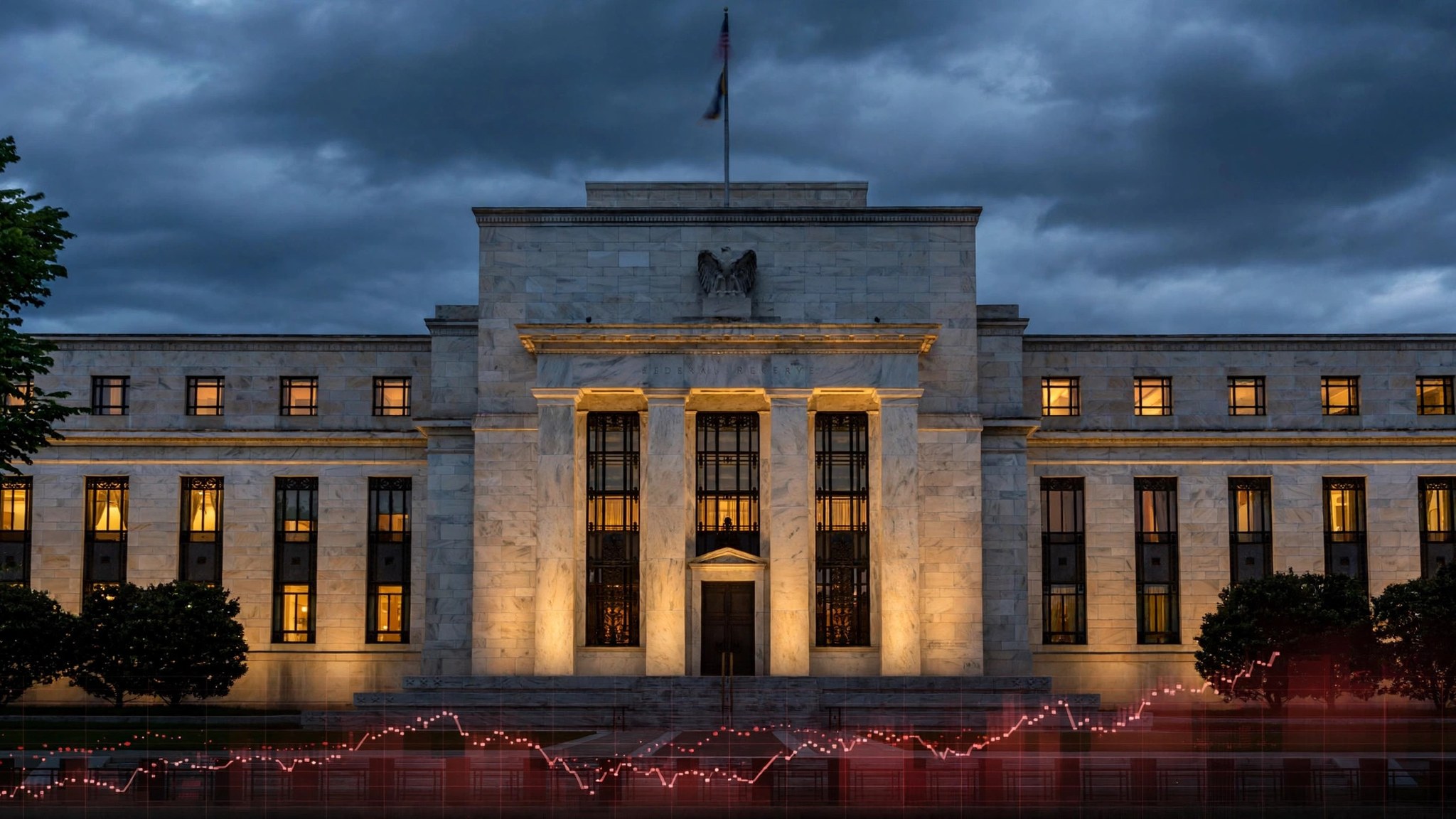
The headline PCE price index rose 0.3% in October and 3.8% over the past year, up from 3.6% in September and matching what economists had forecast. The core reading, which strips out food and energy and is the number the Fed watches most closely, also rose 0.3% on the month but climbed to 3.3% year on year, above the 3.2% forecast and the highest since November 2023. September’s core reading was also revised higher, which pushed the annual rate up further.
Core inflation hits its highest since November 2023
The overshoot was small in monthly terms, a tenth of a point on the annual core rate, but it arrived on top of a report that was strong almost everywhere else. Personal income jumped 0.7% in October, well ahead of the 0.4% economists expected, while consumer spending rose 0.3%. A separate release on Wednesday put third-quarter GDP growth at 4.3% a year, faster than first reported. Strong growth plus sticky inflation is the combination that makes a rate hike easiest for the Fed to justify, and markets read it that way within minutes.
Rate traders went into the release already pricing a December hike at above 90% odds after weeks of hawkish signals from Fed officials and a hotter-than-expected producer price report. The PCE numbers removed the last reason to doubt it. Treasury yields ticked down slightly after the release as some of the move had already been priced in, but stocks extended their slide, with Nasdaq futures down about 2% and Nvidia down 5% before the open.
A December hike is now the base case
The Fed meets on December 8 and 9, and the October PCE report was the last major inflation reading before that decision. With core inflation now at its highest in three years and the economy growing above 4%, the debate inside the Fed has shifted from whether to hike to how much. A 25 basis point move is the expectation, and the market’s attention is already turning to what officials signal about early 2027.
That matters for Bitcoin because the rate outlook has been the main weight on the market since early November. Higher rates for longer pull money out of risk assets, and crypto has felt it more than most. US spot Bitcoin ETFs have now logged outflows for six straight sessions, including $231.4 million on Tuesday, taking November’s total to about $4.94 billion, already a record month with a week still to go. November’s redemptions have now passed June’s $4.51 billion record, and the selling has not slowed even as prices fell toward $55,000 last weekend.
Bitcoin and stocks fall together
Bitcoin closed Tuesday near $59,748, its lowest close since November 20, after briefly touching $61,582 earlier in the day. It dipped to about $58,882 in the early hours of Wednesday before steadying near $58,300. Ether fell harder, down about 3% to roughly $1,660, and the wider market followed, with total crypto market value down about 2% on the day. The Crypto Fear & Greed Index sits at 8, deep in extreme fear and down from 9 a day earlier.
The pattern of the past two weeks keeps repeating: a short-lived bounce, then fresh selling as soon as a macro headline lands. Monday’s rally toward $64,500 on the Nvidia chief executive news faded within hours, Tuesday’s tariff report knocked Bitcoin back under $60,000, and now the PCE print has done the same. Each rally is being sold, and the buyers who stepped in near $55,000 over the weekend have not yet been joined by the institutional flows that would turn a bounce into a recovery. Long-term holders are selling at an average loss of around 33%, according to on-chain data, and ETF holdings have shrunk by nearly a third since early October.
What traders watch next
With US markets closed on Thursday for Thanksgiving, liquidity will be thin into the weekend, which can sharpen moves in either direction. The next real test is the Fed’s December meeting itself, and whether officials use it to signal more hikes in early 2027 or to pause after one more move. For now the levels are clear enough: $59,000 is the first support to hold, and a break below it opens the way back toward Saturday’s low near $55,150. Above, $60,000 has flipped from support to resistance for the third time in a week, and reclaiming it would take a buyer that has not shown up yet.
The inflation report did not change the direction of this market. It confirmed it. Bitcoin is trading as a risk asset in a rising-rate world, and until the rate outlook turns, every rally will be treated as a chance to sell. The record ETF outflows say institutions are already positioned that way, and Wednesday’s PCE numbers gave them one more reason to stay there.